
An empty truck is a money pit. Mastering how to get loads is the lifeblood of any successful trucking operation in the competitive USA market. This guide moves beyond basic load board platforms to reveal the proven system used by top professionals. You’ll learn strategic freight sourcing strategies, the art of building freight broker relationships, and how to minimize costly deadhead miles. We provide the actionable blueprint to transform your search from a frantic hustle into a reliable, profit-driving engine. Stop guessing and start consistently securing the best freight.
Understanding the Modern Freight Ecosystem
Imagine a giant, invisible marketplace where goods constantly need to move. Your truck is the solution, but you must find the right match. This ecosystem has key players. Shippers are the factories, farms, and retailers with cargo. Brokers are the middlemen who connect shippers with carriers. Carriers own the trucks. And you, the dispatcher, are the strategist navigating it all.
Knowing this flow is your first step. A load on a load board platform was likely posted by a broker. A direct email from a manufacturer is a golden carrier-shipper contract opportunity. Your goal is to minimize empty deadhead miles by understanding where freight originates and where it needs to go. This foundational knowledge turns random searches into a strategic game.
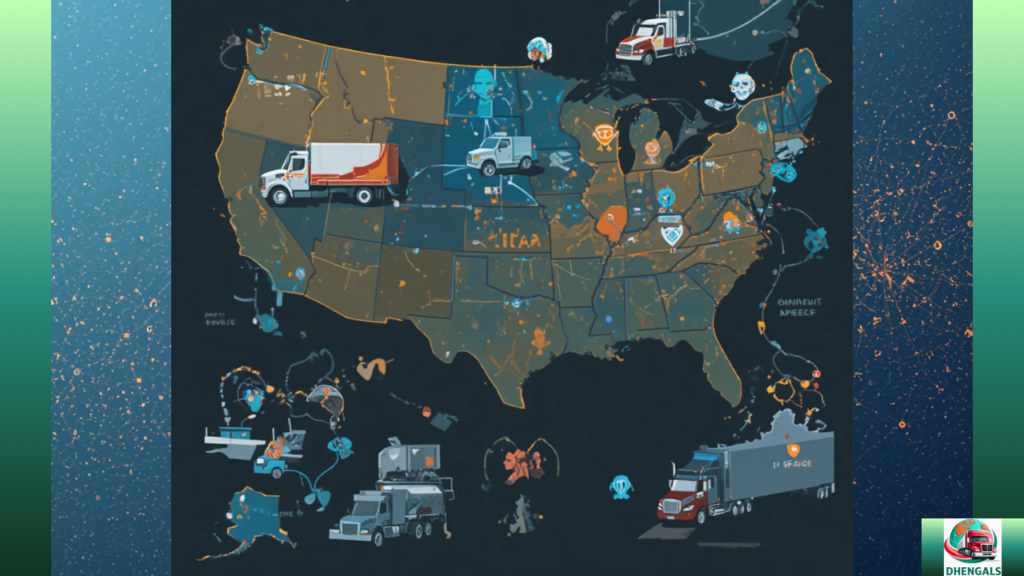
The Core Methods: 5 Best Ways to Find Truck Loads
Wondering how dispatchers find truck loads? They don’t rely on luck. They deploy a mix of five core methods. A successful operation uses at least three of these simultaneously. This diversification protects you when one market slows down. Let’s break down each method so you can build your own powerful system.
1. Mastering Load Boards
Load boards are your digital hunting ground. Platforms like the DAT Load Board and Truckstop.com list thousands of loads daily. But success isn’t about scrolling endlessly. It’s about strategy. Set precise alerts for your lanes. Call within minutes of a good post. Learn to spot vague details that signal trouble. A great load disappears in 10 minutes.
Using these tools effectively is a skill. New dispatchers often ask, “What is the best load board for dispatchers?” The answer is the one your best brokers use. DAT is the industry giant for a reason. Truckstop.com is another powerhouse. 123Loadboard offers competitive pricing. Test them. Your goal is instant visibility into available freight. But remember, the board is just the starting point. Your negotiation starts now.
2. Building Profitable Broker Relationships
This is where your business grows. A load board gives you a transaction. A freight broker relationship gives you a partnership. Brokers have steady freight from their shipper clients. Your mission is to become their first call. How? Be relentlessly reliable. Communicate delays immediately. Deliver on time, every time. A broker who trusts you will offer loads before posting them publicly.
So, how do you build relationships with freight brokers? Start with every load you book. Be professional. Be solutions-oriented. After a smooth delivery, send a thank-you email. Ask, “What else do you have moving east this week?” Slowly, you’re no longer a random caller. You’re a preferred carrier. This network becomes your most reliable source for quality freight.
3. Partnering with a Professional Dispatcher
Many owner-operators find great success here. If the hustle of finding freight isn’t for you, hire a pro. A truck dispatch service does the heavy lifting. They use their established broker contact lists and market knowledge to find loads for trucks. They handle the rate negotiation and booking. You focus on driving. It’s a partnership that can increase truck revenue significantly.
Choosing the right service is crucial. Look for transparency in their fee structure (often 5-10% per load). Ask about their load board subscriptions and broker network. Get references. A good dispatcher becomes an extension of your business. They should explain their freight sourcing strategies to you. This frees up your time and often secures better rates through their volume and expertise.
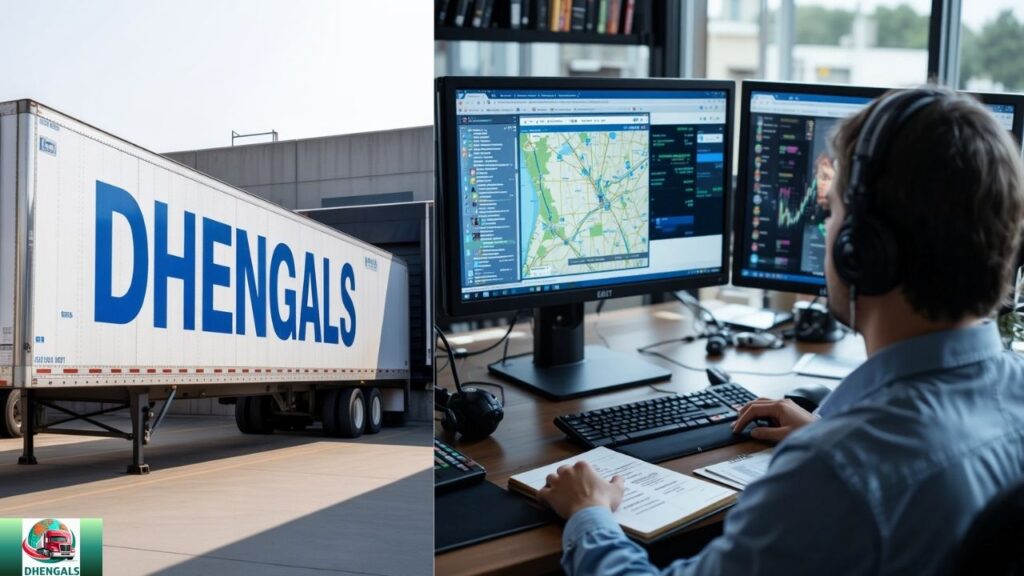
4. Networking & Strategic Relationship Building
Never underestimate a conversation. The trucking industry networking scene is vibrant. Valuable intelligence is shared at truck stops, industry events, and online forums. Other dispatchers can tip you off to freight. A driver might know a shipper needing capacity. This informal web often reveals opportunities you won’t find elsewhere.
Think of networking as planting seeds. Join online groups for dispatchers. Attend a local trucking association meeting. Connect with other professionals on LinkedIn. Share helpful information yourself. When you help others, they often return the favor. This strategic relationship building creates a support system. It provides market tips, broker recommendations, and early leads on loads.
5. Going Direct: Sourcing Loads from Shippers
This is the ultimate goal for maximum profit. Eliminating the broker means keeping their margin. Getting direct shipper contracts provides stability and better rates. Start local. Identify manufacturers or distributors in your area. Research them. Craft a concise pitch about your reliable service. The first contract is the hardest, but it paves the way for more.
The process requires a shift in role. You now handle all communication and paperwork that the broker once did. Ensure you have rock-solid contracts and invoicing systems. Start with a single, occasional load to prove your worth. Performance here is everything. A happy direct shipper becomes a recurring revenue stream. This method transforms your business model for long-term health. 
The Dispatcher’s Toolkit: Skills and Strategies for Success
Knowing where to find loads is half the battle. Executing flawlessly is the other half. The best dispatchers are master negotiators. They never accept the first rate. They use real-time data from load boards to justify a higher price. Rate negotiation is an expected part of the dance. Come prepared with knowledge.
Strategic planning is your secret weapon. This is all about deadhead-miles-reduction. Instead of seeing one load, plan two or three ahead. Book a load from your delivery city before you even arrive. Think in triangles, not straight lines. Use a map to identify clusters of shippers. This proactive approach is what keeps trucks loaded and profitable.
Essential Technology: Software & Tools for Modern Dispatching
Gone are the days of just a phone and a notepad. Modern freight matching software is essential. Transportation Management Software (TMS) is the brain of your operation. It tracks your trucks, manages documents, and can even integrate with load board platforms to pull in loads. It turns chaos into order.
Your tech stack should give you an edge. Use the DAT Load Board for its massive volume. Use Truckstop.com for its strong broker network. Experiment with app-based platforms like the Uber Freight or Convoy app for quick, digital bookings. Use GPS tracking to see your assets in real-time. These digital freight marketplaces and tools provide the speed and information you need to win.
Your Step-by-Step Action Plan to Secure Loads
Let’s turn knowledge into action. Follow this clear plan to build your freight pipeline from scratch. This step-by-step approach removes the overwhelm and gives you a clear path forward. Consistency here will build momentum in your business.
Step 1: Get Your Legal & Operational Foundation Ready
Before you make one call, your house must be in order. This means having active DOT and MC authority. You need proper cargo and liability insurance certificates ready to email. Set up a factoring company or clear payment terms. Create a professional carrier-packet with all your details. Brokers will not work with you without this foundation. It’s the non-negotiable ticket to enter the game.
Step 2: Choose Your Primary and Backup Load Sources
Don’t put all your eggs in one basket. Based on your lane and trailer type, select your mix from the five core methods. Maybe you start with two load board platforms and aim to build three freight broker relationships. Register on one digital freight marketplace app as a backup. Write this plan down. A diversified approach protects you when one market goes quiet.
Step 3: Make First Contact & Start Building Your Network
Now, start reaching out. When you call a broker, have a script ready. “Hi, my name is [Your Name] with [Your Company]. We have a clean ’21 Volvo dry van empty in Dallas tomorrow. Do you have anything heading east?” Be brief and professional. Your goal is to get set up in their system. Send your carrier-packet immediately. This is how your broker contact list begins.
Step 4: Master Negotiation and Rate Analysis
When a rate is offered, pause. Know your total cost per mile. Quickly check lane rates on your load board. If the offer is low, counter politely. “Thanks for that. I’m seeing the market around $2.80 a mile for that lane. Can you do $2.75?” This shows knowledge. Most brokers expect this and have room to move. Good rate negotiation directly increases truck revenue.
Step 5: Execute Flawlessly and Build Long-Term Relationships
The work isn’t over when the load is booked. Confirm details with the driver and broker. Update everyone on progress. After delivery, follow up. Ensure the broker has all documents for quick payment. Then, ask for more work. This cycle of reliable execution and proactive communication turns a one-time load into a long-term partnership.
Common Pitfalls to Avoid When Finding Loads
New truckers and dispatchers often make the same costly mistakes. Avoiding these can save your business. First, don’t chase only the highest rate. A super-high rate into a freight desert leads to costly deadhead. Second, always vet a broker’s credit before hauling. Use services like Carrier411 or your factoring company to check.
Another major pitfall is poor planning. You must always be sourcing the next load while managing the current one. Waiting until you’re empty puts you in a desperate position. Finally, never sacrifice professionalism for speed. Rude communication or missed updates will burn bridges fast. Your reputation is your most important asset in this tight-knit industry.
Career Path: Tips for Aspiring Truck Dispatchers
Interested in becoming a truck dispatcher? The path is clear. First, immerse yourself in industry knowledge. Consider a formal dispatcher training course to learn the basics. Develop thick skin and excellent communication skills. Your first job might be assisting an experienced dispatcher. Listen and learn everything you can.
The earning potential is strong. So, what is a freight dispatcher’s salary? It varies widely. An employee might earn $45,000 to $65,000 to start. Independent dispatchers often take a percentage of the load revenue, which can be much higher. Success depends on your skill, your network, and your hustle. This career offers real opportunities for those who are organized and persistent.
Conclusion & The Road Ahead
Mastering how to get loads is a continuous journey. It blends technology, strategy, and old-fashioned relationship building. Start by implementing one new method from this guide today. Maybe you’ll improve your load board alerts or reach out to two new brokers. Consistent action builds unstoppable momentum.
Remember, every top dispatcher started where you are now. They built their network one load at a time. They learned from mistakes. They embraced new freight sourcing strategies. You can do the same. Use this playbook as your guide. Put in the work, treat people right, and keep your trucks moving. The road to success is waiting for you to drive it.
FAQs (Frequently Asked Questions)
How do dispatchers find loads?
Dispatchers find loads by actively using digital load boards, nurturing relationships with freight brokers, tapping into their industry network, and sometimes sourcing directly from shippers, all while leveraging transportation software for efficiency.
How do truck dispatchers find clients?
They find clients by networking within the trucking industry, offering their services on online platforms and forums, partnering with small fleets or owner-operators directly, and through referrals from satisfied customers.
How do trucking companies get loads?
Trucking companies secure loads through a mix of broker partnerships, direct contracts with shippers, load board postings, dedicated dispatch services, and by building a strong reputation for reliability.
How many trucks should a dispatcher handle?
An experienced dispatcher can typically manage between 5-10 trucks effectively, but this number varies based on the complexity of loads, technology used, and whether they have support staff.
How do I start my own truck dispatching business?
Start by gaining industry experience, then legally register your business, secure necessary software and load board subscriptions, build a network of carriers and brokers, and begin by offering your services to a few trusted clients.
Bajiappslogin makes logging in super easy. The app runs smoothly and I had no problems at all. Give it a shot bajiappslogin.
Bdbjbaji888 is on my radar now! It’s got a great vibe and I’m enjoying the games. See for yourself bdbjbaji888.
Just tried mxmexswin2 and things seem promising! The interface is user-friendly. Recommend checking them out mxmexswin2.
Heard some talk about p44bet. Decided to try my luck. The interface is pretty slick, so far so good!
Spinning some reels over at one21slots. They have a decent selection of games. Wish me luck!
Trying out one21game. It’s something new, so wanted to explore what the platform has to offer in the gaming space.
Alright everyone, I wanted to come and show you 9dbetbr, I think it is a great option to bet safely with all your friends. It is such a safe website, check it yourself and see: 9dbetbr.
G55betcom, not bad, not bad at all! Good selection of slots, and the live casino is pretty lively. Security seems tight, which is important. Worth a shot: g55betcom
Alright, 98betlogin’s login is pretty straightforward. No complaints here. Easy to access, does the job, can’t ask for too much more. Ready to bet? 98betlogin
[7081]bdji অফিসিয়াল লগইন | বিকাশ পেমেন্টে অনলাইন স্লট গেম খেলুন,bdji অ্যাপ ডাউনলোড করে সেরা অনলাইন স্লট গেম এবং রুলেটের অভিজ্ঞতা নিন। বিকাশ পেমেন্ট সুবিধা দিয়ে সহজেই জয়েন করুন। আজই আপনার অ্যাকাউন্ট খুলুন। visit: bdji
The transaction process is very straightforward and transparent. It is great to find a trustworthy site like phphcash11
[9417]Pinup Official Login Bangladesh | সেরা অনলাইন ক্যাসিনো ও অ্যাপ,Pinup-এ যোগ দিয়ে সেরা অনলাইন ক্যাসিনো গেমগুলো উপভোগ করুন। এখানে দ্রুত বিকাশ পেমেন্ট এবং অ্যাপ ডাউনলোড সুবিধা রয়েছে। আজই লগইন করে খেলা শুরু করুন। visit: pinup
Finally found a platform that actually pays out fast. The game selection is top notch and the bonuses are legit. Check out ph50jili if you want a real gaming experience.
Quick access and no glitches. It is refreshing to find a site that actually prioritizes speed and stability for the players. nog88login
Really loving the community vibe here. It is easy to navigate and the loading times are very fast. You should definitely visit pkgamespk14.
Honestly the win rates here are impressive. I had a lucky streak yesterday that I cannot believe. If you want a fair game visit idimbagacor
Finally found a spot that actually pays out on time. The interface is clean and not cluttered with useless ads. I’m really enjoying my time here so far. Visit jjjwin today.
The game selection is amazing and the bonuses are a huge plus for new players. I am having a blast on brb777games.
[4346]b123b | Link vào tải app và hướng dẫn chơi nổ hũ baccarat,Truy cập b123b để lấy link vào mới nhất, tải app nhanh chóng. Khám phá cách chơi baccarat online và mẹo quay hũ nổ hũ cực chuẩn. Đăng ký tham gia ngay! visit: b123b
[5082]elon login করুন | বিকাশ দিয়ে স্লট ও ক্যাসিনো গেম খেলুন,elon অ্যাপ ডাউনলোড করে লাইভ ডিলার ক্যাসিনো গেম এবং অনলাইন ক্যাসিনো বোনাস অফার উপভোগ করুন। আজই অ্যাকাউন্ট খুলে খেলা শুরু করুন। visit: elon
[1303]77wim | Link vào tải app và hướng dẫn chơi nổ hũ baccarat,77wim cung cấp link vào chính thức và hướng dẫn tải app nhanh chóng. Tìm hiểu cách chơi baccarat online cùng mẹo quay hũ nổ hũ hiệu quả. Truy cập ngay! visit: 77wim
I spend most of my weekends exploring new card games and this platform has the best selection I have come across. The community here is super friendly and I always find helpful tips from other players. Deposits go through instantly and I feel completely safe managing my bankroll. idkartubet88
I’ve been trying a few different sites lately, but the interface here is just so smooth. Definitely my new favorite spot to hang out and play. Check it out at kcwin97
I was a bit skeptical at first but after a few wins I am totally sold. The system is transparent and very easy to navigate. Cheers to jilipark311login.
[1243]sv339 – Link vào trang chủ và tải app game quay hũ đổi thưởng,sv339 cung cấp link vào trang chủ mượt mà, hỗ trợ tải app nhanh chóng và hướng dẫn cách nạp tiền qua Momo đơn giản. Truy cập ngay để trải nghiệm sảnh game. visit: sv339
Super reliable platform with a great selection of slots. I appreciate how transparent everything is with the withdrawals. Love phjili999
Finally found a place that actually pays out without a headache. The interface is very user-friendly and the games are top notch. Check out suksesjitulogin if you want a reliable experience.
[2256]8xbex | Link vào trang chủ và tải app chơi nổ hũ, baccarat,8xbex cung cấp link vào trang chủ chính thức để tải app và trải nghiệm nổ hũ, baccarat. Hướng dẫn cách nạp tiền qua momo nhanh chóng. Tham gia ngay hôm nay! visit: 8xbex
Anyone else having trouble with the a777gamedownload? Keep getting errors. Thinking about trying a mirror link, but scared of viruses.
I’ve tried a few sites lately but this one really stands out. The game variety is awesome and the payouts are fast. Definitely my new favorite spot to hang out and win some cash. Check out ggjilicasino for a great experience!
A very professional platform with a lot of great options. I feel safe depositing my money here. phgrandpashabet
I could feel real care and real thought behind each choice you made here and that blend kept me fully absorbed. I love how you anchored each big claim to something real so nothing here ever floated off into hollow abstraction. I am leaving here recharged and eager to act so thank you sincerely for the honest jolt of motivation you gave me today.
[5718]1111bd · অনলাইন ক্যাসিনো বাংলাদেশি খেলোয়াড়দের জন্য,1111bd একটি অনলাইন জুয়া সাইট যা বাংলাদেশে খেলোয়াড়দের জন্য তৈরি, যেখানে আপনি সাইন ইন অথবা রেজিস্টার করতে পারেন, ক্যাসিনো গেম খেলতে পারেন এবং পেমেন্ট সংক্রান্ত তথ্য পড়তে পারেন। visit: 1111bd
I really enjoy the variety of slots available here. The jackpots feel reachable and the vibe is just right. Big shoutout to ph16jili!