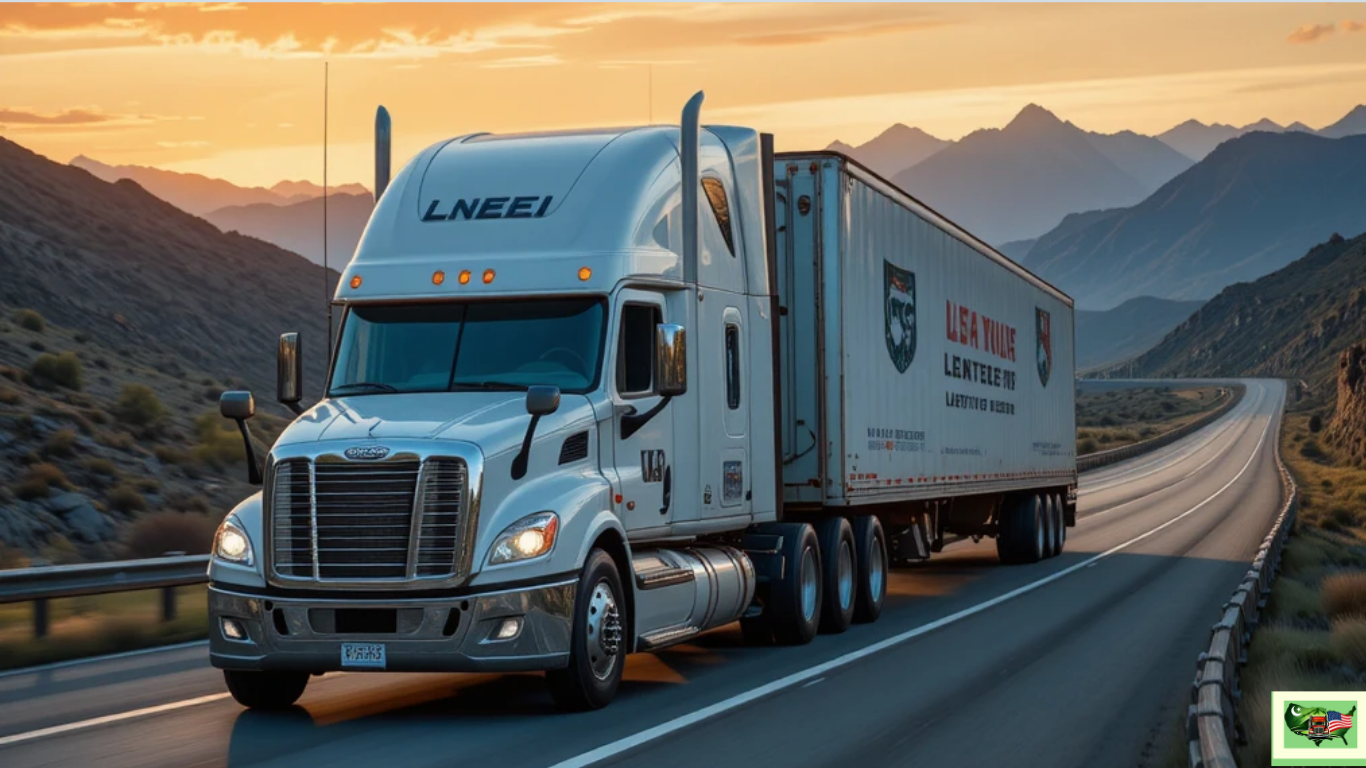
You see them everywhere on American highways. Those big rectangular boxes rumbling past you on I-80 and I-95 carry nearly everything you own. The dry van is the workhorse of the American economy. Understanding dry van: meaning, types, dimensions, manufacturers, and earnings can open doors, whether you are a new driver or an experienced owner-operator looking to grow.
The term dry van might sound technical, but the concept is simple. A dry van is an enclosed, non-refrigerated trailer used to haul freight that does not need temperature control. Unlike flatbeds that expose cargo to rain and road grime, dry vans keep everything safely tucked inside a sealed metal box. More than 70% of all truckload freight in America moves inside these trailers. Mastering the details of dry van operations positions you for success in an industry that keeps the nation running.
What Exactly Does Dry Van Mean in Trucking?
Let us break down the dry van: meaning, types, dimensions, manufacturers, and earnings, starting with the basics. A dry van trailer is essentially a giant steel or aluminum box mounted on wheels. The word “dry” tells you something critical. These trailers lack any refrigeration capability whatsoever. They protect cargo from weather, dust, and theft, but they cannot control temperatures inside.
The beauty of a dry van lies in its incredible versatility. You can load electronics, furniture, clothing, auto parts, or boxes of cereal inside without worrying about specialized equipment. The enclosed design means items arrive looking exactly as they left the warehouse. No rain damage. No road grime. Shippers love this protection, and carriers love that they can haul almost anything.
Common Dry Van Types You Will Encounter
When exploring dry vans, you quickly discover that not all dry vans look identical. The industry uses several distinct designs with specific advantages.
Standard Dry Vans
Standard Dry Vans represent the classic trailer you see everywhere. These feature smooth aluminum or composite sides with rear swing doors that open wide for loading. Most long-haul carriers run these exclusively because they balance durability with cargo capacity perfectly.
Plate Vans
Plate Vans use laminate composite panels attached to the trailer frame. Wabash National pioneered this design with its DuraPlate technology. These panels are more resistant to damage than traditional materials. If a forklift tears a panel, you replace just that section instead of the whole wall. Fleet managers love this design because repairs happen fast.
Sheet and Post Vans
Sheet and Post Vans rely on plywood sheets riveted between vertical aluminum posts. While slightly heavier than plate models, they handle rough freight exceptionally well. If you haul heavy, shifting loads that stress trailer walls, this traditional design serves you better.
High-Cube Vans
High-Cube Vans maximize vertical space with taller interiors that reach 10.5 feet high. If you haul bulky but lightweight items like empty cardboard boxes, this design lets you stack more without exceeding weight limits.
Dry Van Dimensions You Must Know
Getting dimensions right separates professional operators from amateurs who cause expensive loading mistakes. The 53-foot dry van absolutely dominates American highways. Inside, you get roughly 52.6 feet usable length. The interior width runs about 100 inches. Height inside typically measures around 9 feet. This gives you approximately 3900 cubic feet of cargo space. In practical terms, you can load 26 standard 40/48-inch pallets arranged in two rows.
The rear door opening measures slightly smaller than the full interior. On a standard 53-footer with swing doors, you get about 98 Inches of width. If you load unusually wide items, check they fit through the door before assuming they fit inside.
48-foot trailers still roam American roads in significant numbers. These shorter boxes offer an interior length of around 47.6 feet. They hold about 24 standard pallets. Some shippers prefer 48-footers for dense cargo because you hit maximum weight before running out of floor space.
40-foot dry vans appear less frequently but remain essential for intermodal operations. These trailers typically offer narrower interiors of around 92 inches. Door openings run smaller, too, usually 7.8 feet wide. If you run intermodal freight, understanding these tighter dimensions prevents nasty surprises.
Top Dry Van Manufacturers Serving America
Several companies build the trailers you see daily. Knowing who makes them helps when you need parts or eventually buy your own equipment.
Wabash National stands as North America’s largest producer of semi-trailers. Founded in 1985 in Lafayette, Indiana, this company revolutionized the industry with DuraPlate composite panel design. Their products include dry vans, reefers, and tank systems sold under multiple brand names.
Great Dane has manufactured trailers since 1900 and remains a household name. Their dry van lineup includes multiple series for different applications. Fleet managers appreciate their nationwide dealer network for parts and service support.
Utility Trailer Manufacturing pioneered the reefer segment but builds excellent dry vans too. Headquartered in City of Industry, California, they produce thousands of trailers annually at facilities across North America.
Stoughton Trailers started as a small family business in Wisconsin in 1961. They build dry vans, reefers, grain trailers, and intermodal chassis for fleets nationwide. Stoughton remains family-owned, making decisions based on long-term reputation.
Hyundai Translead brings global manufacturing expertise to the American market. As a subsidiary of Hyundai Motor Group, they produce dry vans, reefers, and container chassis in the United States. Their lightweight designs appeal to fleets chasing maximum payload.
How Much Do Dry Van Drivers Actually Earn?
Money talks in trucking, and everyone wants straight answers.
Company drivers pulling dry vans typically earn between 59 and 60 cents per mile. Fuchs Trucking offers experienced drivers this range plus stop pay, detention pay, and 10 cents per diem. Average weekly miles run around 2700, translating to roughly 1500 to 1700 dollars weekly.
Team drivers multiply those earnings significantly. Marten Transport advertises regional dry van teams earning between 1500-1700 dollars weekly per driver. A team brings in 3000-3400 dollars weekly combined. Teams cover 5500-6500 miles weekly, nearly double solo averages.
Owner-operators face different math. You keep the gross revenue but pay all expenses, including fuel, maintenance, insurance, and truck payments. Successful dry van owner-operators gross between two hundred thousand and three hundred thousand dollars annually before expenses. After costs, net income typically falls between sixty thousand and one hundred thousand dollars.
Several factors boost earnings beyond base rates. Detention pay compensates you when shippers make you wait beyond two hours. Layover pay covers days when freight disappears. Referral bonuses add two thousand five hundred dollars for bringing qualified drivers. Smart owner-operators maximize every opportunity.
Dry Van Market Size and Growth
The numbers behind dry van shipping reveal why this industry offers stability. Understanding market trends helps you make smarter decisions.
The global dry van trailers market reached 7.4 billion dollars in 2024 and should hit 9.7 billion by 2030. That represents compound annual growth of 4.5 percent. North America accounts for the largest share, with the United States valued at approximately 2 billion dollars in 2024.
The three-to-four axle trailer segment dominates the market and should reach five point nine billion dollars by 2030. These trends matter because they show where the industry heads. Lightweight, aerodynamic, telematics-equipped trailers represent the future.
Dry Van vs Reefer vs Flatbed
Newcomers often confuse trailer types, but the differences matter enormously for your business model.
Dry van vs reefer comes down to temperature control. Reefer features refrigeration units maintaining specific temperatures from negative twenty to fifty-five degrees. This costs serious money. Reefer containers consume more fuel, require more maintenance, and cost more to purchase. Dry vans run twenty to thirty percent cheaper while handling all non-perishable freight.
Dry van vs flatbed involves openness versus enclosure. Flatbeds carry freight exposed to weather, secured with straps and tarps. They excel at machinery and oversize loads that will not fit inside a box. Flatbed drivers work harder tarping loads. Dry van drivers enjoy easier loading at docks.
Dry van vs intermodal relates to the transportation mode. Intermodal moves containers via rail for part of their journey, then transfers to trucks. This combination saves fuel on long hauls but adds handling delays. Pure dry van trucking offers faster door-to-door service.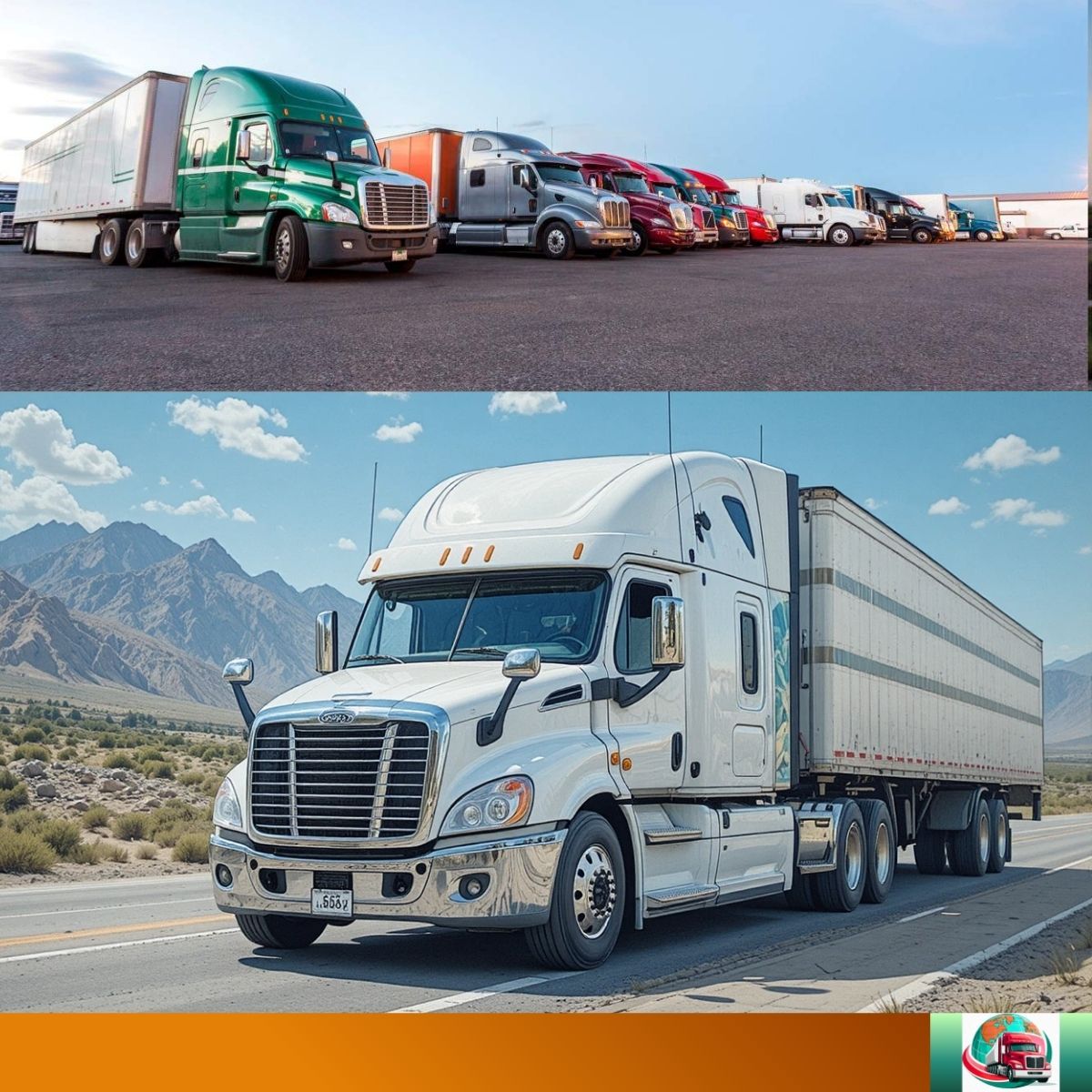
Goods Perfectly Suited for Dry Van Transport
Understanding what belongs inside a dry van helps you choose the right freight and avoid expensive mistakes.
Consumer packaged goods fill countless dry vans daily. Cereal boxes, laundry detergent, paper towels, and canned vegetables all travel perfectly in standard trailers. These items do not mind temperature fluctuations.
Electronics and appliances rely heavily on dry vans for secure transport. Televisions, computers, and refrigerators need protection from the weather and theft. The enclosed design allows locking at both ends.
Furniture and textiles move almost exclusively in dry vans. Sofas, mattresses, and clothing cannot tolerate rain or road grime. The enclosed space keeps them clean for retail display.
Auto parts ranging from bumpers to engines travel in dry vans constantly. Manufacturers ship components using these trailers because they provide adequate protection without the expense of specialty equipment.
Paper products and packaging materials also ride inside dry vans exclusively. Toilet paper and cardboard boxes would absorb moisture instantly if exposed to rain. Dry vans keep everything bone dry.
Advantages of Dry Van Shipping
Why do dry vans rule American roads year after year? The advantages stack up convincingly.
Protection from elements ranks highest on every shipper’s priority list. Rain, snow, and sun never touch the cargo inside a dry van. Electronics arrive without water damage. Furniture stays clean.
Cost efficiency matters tremendously in competitive freight markets. Dry vans cost less to build, maintain, and operate than specialized trailers. Their simpler design means fewer things break on the road.
Widespread availability means you rarely struggle to find loads. Because dry vans haul most consumer goods, freight lanes exist everywhere between every city.
Standardization simplifies everything from loading docks to maintenance. Every warehouse expects 53-foot trailers. Every mechanic knows how to fix common problems.
Loading flexibility comes from the simple rectangular box design. Forklifts drive right in through the rear doors. Loading docks align perfectly at standard heights.
Smart Strategies for Dry Van Success
Optimizing your dry van operations separates profitable carriers from those who barely scrape by.
Measure and palletize accurately before anything else. Know exactly what fits in your trailer and plan the load accordingly. Standard pallets load a 26- to 53-foot trailer in two rows.
Secure loads properly to prevent shifting during transit. Straps and load bars keep freight exactly where you put it. Shifting loads causes accidents and damages cargo.
Choose carriers and brokers carefully with attention to their reputation. Working with reliable partners means getting paid on time and avoiding last-minute cancellations.
Track shipments in real time using modern telematics systems. Visibility helps you plan your next move and respond quickly if something goes wrong.
Use drop-and-hook shipping whenever possible to eliminate waiting time. Drivers arrive, unhook an empty, attach a loaded trailer, and get back on the road immediately.
Maintain your equipment regularly according to manufacturer recommendations. Check tires, brakes, lights, and trailer integrity consistently. Breakdowns cost far more than preventive maintenance.
Conclusion
The dry van represents far more than a metal box on wheels. It is the backbone of the entire supply chain, the workhorse that keeps stores stocked across America. Understanding dry van: meaning, types, dimensions, manufacturers, and earnings gives you the knowledge needed to succeed whether you drive, dispatch, or own equipment.
The 53-foot standard dominates for excellent reasons, holding twenty-six pallets securely. Major manufacturers, including Wabash National, Great Dane, and Utility, build these trailers with constant innovations. Owner-operators earn between 60,000 and 100,000 dollars annually after expenses when they run efficiently.
As e-commerce expands relentlessly, dry vans will remain absolutely essential to moving America’s goods. The market grows steadily at four and a half percent annually, creating opportunities for everyone from new drivers to established fleet owners. Whether you haul groceries to Chicago or electronics to Los Angeles, the dry van behind your tractor keeps freight safe and profitable mile after mile.
Frequently Asked Questions (FAQs)
What exactly is a dry van trailer used for?
A dry van hauls freight that does not require temperature control, protecting goods like electronics, furniture, auto parts, and boxed products from weather and road debris during transport.
How many pallets fit inside a standard 53-foot dry van?
You can load 26 standard forty-by-forty-eight-inch pallets inside a fifty-three-foot dry van, arranged in two rows of thirteen running the full length of the trailer.
How much money can dry van owner-operators make annually?
Successful dry van owner-operators gross between two hundred thousand and three hundred thousand dollars yearly, with net income after expenses typically falling between sixty thousand and one hundred thousand dollars.
Who are the biggest dry van trailer manufacturers in America?
Wabash National, Great Dane, Utility Trailer Manufacturing, Stoughton Trailers, and Hyundai Translead build most dry vans operating on American highways today.
What is the difference between a dry van and a reefer trailer?
Dry vans lack temperature control and haul non-perishable goods, while reefers feature built-in refrigeration units that maintain specific temperatures for frozen or temperature-sensitive freight.
¡A huevo! 1xslotsmexico finally offers something for us in Mexico that isn’t lame! Lots of slots, good variety, and easy to deposit pesos. Definitely giving it a permanent spot on my phone. Vamanos! Find 1xslotsmexico at this place 1xslotsmexico.
Lottuse… never heard of it before. Is it like a lottery thing? Guess I’ll check it out. Maybe my lucky numbers are waiting for me there, heh! See what they’re about: lottuse
Boss88casino? Sounds like a place for high-rollers! I’m feeling lucky tonight. Time to test my skills and see if I can become the boss of the casino. Wish me luck! Here’s where the action is: boss88casino
[2294]bhaggo bet অফিসিয়াল লগইন | বিকাশ ডিপোজিট ও সেরা ক্যাসিনো গেম,bhaggo bet অ্যাপ ডাউনলোড করে সেরা লাইভ ক্যাসিনো ও স্লট গেমের অভিজ্ঞতা নিন। বিকাশ দিয়ে দ্রুত ডিপোজিট করে আজই আপনার যাত্রা শুরু করুন। visit: bhaggo bet
The odds here are actually fair and the layout is clean. I’ve tried a few others but br7700bet42 feels much more professional and trustworthy.
[6855]Jili Official Login | অনলাইন স্লট গেম ও বিকাশ ডিপোজিট,jili অফিসিয়াল লগইন করে সেরা অনলাইন স্লট গেম খেলুন। বিকাশ দিয়ে দ্রুত ডিপোজিট এবং আকর্ষণীয় ক্যাসিনো বোনাস নিয়ম জেনে আজই অ্যাপ ডাউনলোড করুন। visit: jili
Everything from the layout to the game selection is top-notch. I feel very secure playing here and the rewards are generous. Go check pknb999 right now.
The bonuses here are insane! I managed to get a nice win on my first try today. The customer support is also very friendly and helpful. Give phpera789casino a shot!
Really liking the variety of options here. It is easy to navigate and the customer support team is actually helpful and responsive. Five stars! 688jilicomlogin
[7185]8mbetsslots অফিসিয়াল লগইন | সেরা অনলাইন স্লট গেম ও বোনাস,8mbetsslots অফিসিয়াল লগইন করে সেরা অনলাইন স্লট গেম উপভোগ করুন। বিকাশ দিয়ে সহজ ডিপোজিট এবং আকর্ষণীয় বোনাস নিয়ম জানতে আজই অ্যাপটি ডাউনলোড করুন। visit: 8mbetsslots
Honestly the best experience I’ve had in a while. The games are super addictive and everything loads instantly. Love the vibe here at ph711jili
Finally found a platform that doesn’t lag during peak hours. The customer support is helpful too. I’m sticking with pklucky53 for a long time.
The app download was a breeze and it runs perfectly on my phone. Much better experience than the browser version. Check it out. x555comdownload
The gaming experience here is top notch. I really appreciate how fast the loading times are. Definitely my new favorite spot, check out bdjoya9gems if you want some real excitement.
Just joined a few days ago and I am already impressed by the rewards system. It feels like they actually value their players here. Check out vnsc168 for some great action.
Really impressed with the game variety here. It is my go-to spot for relaxing and winning some extra cash. Visit idjuragan88 now.
Best experience I have had with a mobile betting app so far. The bonuses are actually generous and not just for show. Visit bdfb777app now.
The app version is just perfect for gaming on the go. No crashes and very responsive. Download suoerbetapp now.
The atmosphere is electric and the games are truly engaging. I’ve had a few big wins here and the withdrawal process was a breeze. phfierycasino is the real deal!
Really love the interface and the variety of games available. It feels very smooth on mobile. Highly recommend phfh777 to everyone.
Ремонт блока двс — профессиональный ремонт и диагностика двигателей автомобилей.
Комплексная проверка позволяет выявить причину неисправности и определить порядок восстановления.
Точная диагностика позволяет избежать замены исправных компонентов.
Все ремонтные операции необходимо проводить внимательно и по установленной технологии.
Своевременное техническое обслуживание сохраняет работоспособность отремонтированного мотора.
I’ve tried a few sites lately but this one really stands out for the smooth payouts. Definitely my new go-to spot. Check it out at bdjoya88
The clear comparison between dry vans and refrigerated trailers makes the key point easy to grasp: dry vans protect freight from weather and grime, but offer no temperature control. I also appreciated the practical details on trailer types and dimensions. Visualizing loading layouts or different trailer designs could make these distinctions even ea
reference to video ai
Finally found a platform that doesn’t lag during peak hours. The registration process was a breeze. Great job guys at phjljl1.
The variety of slots here is insane. I spent hours exploring different themes and the graphics are top-notch. Definitely giving 777jiliwin another go tomorrow.
Installation was a breeze and the app works perfectly. No annoying bugs or crashes during my sessions. Thanks to 3777bdtapk for the great service.
The login process is seamless and the app installation was straightforward. Great experience so far with the interface. cz777gamelogindownload
The distinction between dry vans and reefers is especially useful: a sealed trailer protects freight from weather and grime, but offers no temperature control. For a different kind of planning, WoW Forever Talent lets players map builds across nine classes, compare preview talents with Classic, and save or share their setups.
forever talent tree
The distinction between dry vans and reefers is especially useful: knowing that dry vans protect freight from weather and theft but offer no temperature control helps shippers choose the right trailer. The dimensions and earnings sections also make this a practical guide for drivers and owner-operators.
motion transfer video generator
I won a decent amount yesterday and the withdrawal was processed almost instantly. Total game changer. Visit phjili988 for the win.
The distinction between dry vans and reefers is especially helpful: a sealed trailer protects freight from weather and grime, but offers no temperature control. I can see how clear visuals of the different trailer types and dimensions could make this guide even easier for new drivers to follow.
Burning Bridges AI video generator
Good day!
roof soft roof
roof technonicol soft
soft roofing price
https://gibkaya-cherepica-novosibirsk.ru/
What experience have you had?
Greetings!
Price rebuild engine determined after deep troubleshooting all componentsRepair heads engine is carried out after deep troubleshooting all units
ford mondeo 4 engine replacement
ford explorer engine repair
ford engines overhaul
https://remont-ford123.ru
Share, where did you go?
Greetings!
Engine repair
Engine overhaul
How much will it cost to overhaul an engine?
https://remont-dvig123.ru
Share, where did you go?
The breakdown of standard and plate vans is useful, especially the point that damaged DuraPlate panels can be replaced individually. Bulin 47 AI is a different kind of tool, but its motion-matching approach could help carriers create engaging safety or training clips from one character photo, using the original performer’s timing and movements.
bulin 47 ai
Hello!
Rebuild engine in Moscow – price is being formed after deep disassembly all unitsRebuilding internal combustion engine is done with full troubleshooting main systems
Kia Optima engine overhaul
Kia engine overhaul
Kia engine diagnostics
https://remont-kia123.ru
I would be grateful for your advice.
Greetings!
Major renovation power unit – price determined after thorough troubleshooting all assembliesWhat is the price overhaul internal combustion engine determined after full troubleshooting all components
ford mondeo 4 engine repair
ford focus 3 engine repair
ford focus engine overhaul
https://remont-dvigatelej-ford-msk.ru
Maybe someone knows a good service?
Hello!
Examination engine in Moscow is done with with help professional diagnosticsFull recovery power unit – price is being formed after full disassembly all units
Kia engine diagnostics
Kia engine overhaul
Kia engine replacement
https://remont-dvigatelej-kia-msk.ru
I would be grateful for your advice.
Good afternoon
A site health check reveals speed issues.Local SEO requires work with maps.
seo agency
website promotion services
google seo optimization
https://seo-tramplin.ru/
Share, where did you go?
Hello!
Perevod i Pravo Translation Agency
mSK Translations
notarized translation agency
https://buro-perevodov1.ru/
I would be grateful for your advice.
Hello!
Perevod i Pravo Translation Agency
mSK Translations
Perevod i Pravo Translation Agency
https://buro-perevodov3.ru/
Share, where did you go?
Good day!
medical text translation
medical translation is inexpensive
Medical translation
https://medicine-perevody.ru/
Has anyone encountered a similar situation?
Hi all!
Legal Translations
legal translations are inexpensive
legal translator
https://perevod-ur.ru/
Maybe someone knows a good service?
The clear breakdown of standard and plate vans, along with how enclosed trailers protect freight from weather and grime, makes this a useful guide for new drivers and owner-operators. Genjutsu AI’s motion transfer or object swap could also help carriers turn photos of their rigs into short visual clips for social media or recruiting.
Genjutsu AI
Good afternoon
notarized translation agency
transfer cost
mSK Translations
https://buro-perevodov2.ru/
I would be grateful for your advice.
[117]Sportingbet | Đăng nhập, tải app và chơi nổ hũ đổi thưởng,Truy cập sportingbet để trải nghiệm game nổ hũ đổi thưởng hấp dẫn, tìm hiểu cách chơi baccarat online và nạp tiền casino qua momo nhanh chóng. Tham gia ngay! visit: sportingbet
Hi all!
transfer price
price service translations
transfers to MSK inexpensively
https://buro-perevodov4.ru/
What experience have you had?
Good day!
transfer order
TRANSLATION AGENCY IN MOSCOW
translations in Moscow prices
https://perevody-ur.ru/
Maybe someone knows a good service?