The American trucking industry is the lifeblood of the U.S. economy, moving over 70% of the nation’s freight. As of February 2026, the industry stands at a fascinating crossroads. According to recent market data, there are approximately 659,028 active trucking businesses in the U.S., marking a 4.2% increase from the previous year. This growth brings increased competition, but also new opportunities. However, 2026 is also a year of significant regulatory change. Recent rulings by the Federal Motor Carrier Safety Administration (FMCSA) are tightening licensing requirements. At the same time, market dynamics show a “supply-driven tightness,” meaning capacity is shrinking even if demand hasn’t fully recovered.
If you are a beginner looking to join this industry—whether as a driver, owner-operator, or dispatcher—you are entering a complex world with its own language. Understanding the lingo isn’t just about fitting in; it’s about compliance, safety, and profitability.
Here are 15 essential trucking terms you need to know, defined in simple language with examples to help you hit the ground running.
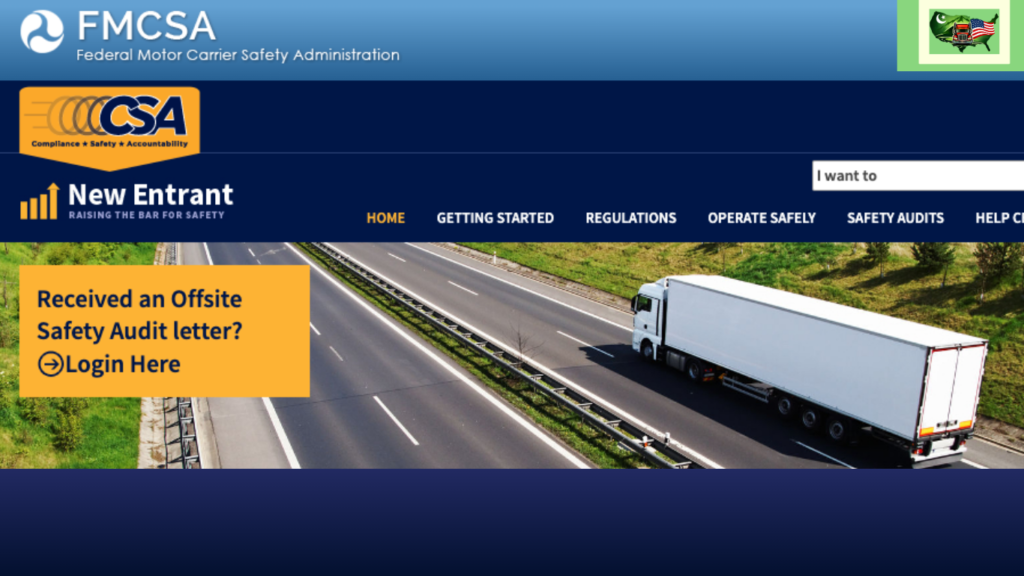
1. FMCSA (Federal Motor Carrier Safety Administration)
This is the primary government agency that regulates the trucking industry in the United States. Think of them as the rule-makers and police of the highways. The FMCSA has been extremely active recently. In February 2026, they finalized a major rule changing who can get a non-domiciled (foreign) Commercial Driver’s License, aiming to close safety gaps.
Example
If the FMCSA passes a new rule about mandatory braking systems, every trucking company in the country must follow it, or they face heavy fines.
2. CDL (Commercial Driver’s License)
A special license is required to drive any large or heavy vehicle, such as a tractor-trailer (Class A), a dump truck (Class B), or a bus. You cannot drive professionally without it. As of March 2026, new rules are changing who qualifies for non-domiciled CDLs, but for U.S. residents, the requirements remain strict, involving written tests, skills tests, and a background check.
Example
To drive an 18-wheeler across state lines, you don’t just need a regular driver’s license; you need a Class A CDL.
3. ELD (Electronic Logging Device)
An ELD is a piece of hardware that plugs into a truck’s engine to automatically record driving time. It replaces the old paper logbooks. ELDs ensure drivers comply with Hours of Service (HOS) regulations. They prevent drivers from driving more hours than legally allowed, which keeps fatigued drivers off the road.
Example
If a driver tries to drive for 12 hours straight, the ELD will alert them (and law enforcement) that they have run out of legal driving time and must take a break.
4. HOS (Hours of Service)
These are the federal rules that limit the number of hours a commercial driver can work and drive without taking time off. Violating HOS rules is one of the fastest ways to get a vehicle put “Out of Service” during a roadside inspection.
Example
A standard rule is that a property-carrying driver cannot drive more than 11 hours after 10 consecutive hours off duty. Your ELD tracks this for you.
5. Dispatcher
A dispatcher is the person who finds loads for truck drivers and keeps everything organized. They talk to brokers, shippers, and drivers to make sure pickups and deliveries happen on time. A good dispatcher also negotiates rates and plans routes to reduce empty miles.
Example
If a driver delivers a load in Florida, the dispatcher finds another load nearby going to Georgia, so the truck does not run empty
6. Detention (Demurrage)
When a driver arrives for pickup or delivery on time, but the shipper or receiver takes too long to load or unload them, the clock starts ticking. The carrier then charges a “detention” fee to compensate for the wasted time. With driver shortages and tight schedules, detention fees are a major point of contention. Knowing how to track and bill for detention is crucial for profitability.
Example
Your appointment is at 8:00 AM, but the warehouse doesn’t start unloading you until 2:00 PM. You can bill the broker or customer for 6 hours of detention time.
7. Owner-Operator
A truck driver who owns their own truck and leases it (and their services) to a carrier company, rather than being a direct company employee. With the recent changes to non-domiciled CDL rules potentially reducing the driver pool, many carriers are looking to owner-operators to fill capacity gaps. However, owner-operators also bear the brunt of fuel costs and maintenance.
Example
Jane owns her Kenworth truck. She signs a contract with “Mega Carrier Inc.” to pull their trailers. She gets paid a percentage of the load revenue but pays for her own fuel and repairs
8. Deadhead
This refers to driving a truck without a trailer (bobtailing) or pulling an empty trailer. Essentially, you are moving without making money. With current market pressures, carriers are desperate to avoid deadhead miles because they waste fuel and add wear and tear without generating revenue. Load boards are full of “backhaul” loads specifically to help trucks avoid this.
Example
If you deliver a load in Chicago and have to drive 100 miles empty to Gary, Indiana, to pick up your next load, those 100 miles are called “deadhead” miles.
9. BOL (Bill of Lading)
The legally binding contract between the shipper and the carrier. It describes the freight, the parties involved, and serves as a receipt for the goods.
This is your ticket to getting paid. Without a properly signed BOL, you have no proof of delivery. In 2026, electronic BOLs (eBOLs) are becoming standard, speeding up the process but requiring drivers to be tech-savvy.
Example
When you pick up a load of electronics, the BOL will state “40 pallets, 2,000 lbs.” At delivery, the receiver signs it. If they only sign for 39 pallets, that signature indicates a shortage, and you (or your company) are now responsible for the missing pallet.
10. MC Number (Motor Carrier Number) / Operating Authority
A unique identifier issued by the FMCSA that grants a trucking company the legal right to transport regulated freight across state lines for compensation.
As of October 2025, a major change occurred: ”MC numbers have been eliminated” as a separate identifier. The USDOT Number is now the sole federal identifier for carriers. However, the concept of “Operating Authority” remains. If you want to haul freight for brokers, you need this authority. The application still costs $300, and there is a mandatory 21-day waiting period before your authority is activated.
Example
If you buy a truck and want to haul loads for a company like Landstar or a broker like TQL, you cannot just start driving. You must first obtain your Operating Authority (USDOT Number) and file the necessary paperwork, such as BOC-3.
11. BOC-3 (Process Agent)
A legal filing where you designate a representative (a “process agent”) in every state you operate to accept legal documents on your behalf, such as a court summons. You cannot get your Operating Authority activated without filing a BOC-3. It usually costs between $30 and $50, and filing is instantaneous, but the FMCSA needs to see it on file.
Example
If you are based in Texas but get sued by a client in Ohio, the court papers can be served to your BOC-3 agent in Ohio, who then forwards them to you. This ensures you can’t avoid legal trouble just by being from out of state
12. Shipper
The company or person who has the goods that need to be moved. They are the customer who hires a carrier (or a broker) to transport their freight. The shipper’s facility is where you spend your time. Some shippers are fast and respectful; others keep you waiting for hours (detention). Knowing which shippers are good to work with is valuable industry knowledge.
Example
Procter & Gamble makes soap. They need to move 10 truckloads of soap from their factory in Ohio to a warehouse in Texas. Procter & Gamble is the shipper.
13. Broker
A middleman who arranges the transportation of freight between the shipper (who has the goods) and the carrier (who has the truck). They don’t own trucks; they sell logistics services. Most new carriers work with brokers to get their first loads. However, you must verify the broker’s authority on the FMCSA website to ensure they are legitimate and not running a double-brokering scam.
Example
A small furniture maker in North Carolina has one load to move. They don’t have time to find a truck. They call a broker. The broker finds you, an owner-operator in the area, and offers you the load. The broker pays you, and the furniture maker pays the broker.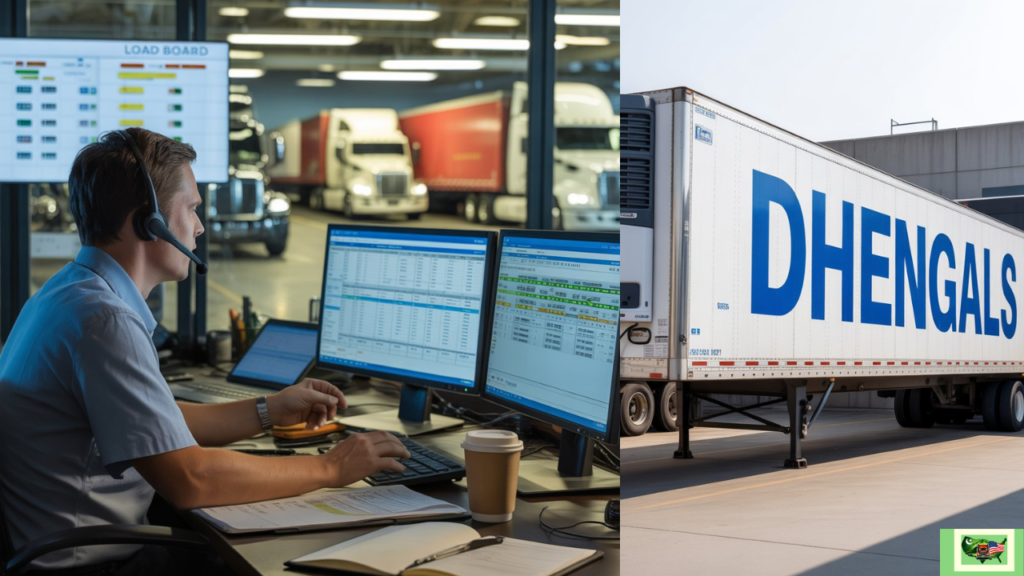
14. Shipper-Receiver (Consignee)
The person or company who is receiving the freight at the delivery location.
Sometimes the shipper (where you pick up) is great, but the receiver (where you drop off) is terrible. They might have a tiny dock, rude staff, or take forever to unload. Your relationship with the receiver is critical for getting that signed BOL and moving on.
Example
You pick up a load of produce in California (Shipper). You drive it to a grocery chain’s warehouse in New York (Receiver). The warehouse manager in New York is the “consignee.”
15. IFTA (International Fuel Tax Agreement)
A tax agreement between the 48 contiguous U.S. states and Canadian provinces that simplifies the reporting of fuel taxes. Instead of paying taxes to every jurisdiction you drive through, you pay a combined tax based on the miles driven in each. You must file an IFTA report quarterly. Failing to do so can result in your registration being suspended.
Example
You are based in Missouri but drive through Illinois, Indiana, and Ohio. You buy fuel in all four states. IFTA lets you file one tax return to Missouri, which then divvies up the taxes to the other states based on your mileage logs.
I treat this site like a reliable companion for my spare time. The game selection keeps me entertained for hours and the bonus rewards actually reach my account without any hassle. It is nice to find a place that treats players with real respect. peroyalpanda
I enjoy how this site blends fast action with a calm and respectful environment for every player. The customer service team speaks our language and solves issues within minutes. It is my go to destination whenever I want a fun and fair gaming break. thhotbet
Just stumbled upon this place during my late night sessions and I am honestly impressed by how clean everything runs. The game selection keeps me entertained and cashing out has never been this quick. If you want a trustworthy spot that actually treats players right this is the one. bdkk3399
Fast loading times and very secure. I feel safe putting my trust in this platform. Go for nogad88login if you want peace of mind.
I was struggling to get back into my account but this alternative link saved the day. Super easy to navigate. Check out zuma78linkalternatif if you are having access issues.
The payouts here are actually fair and the interface is super clean. It is my new go-to spot for gaming. Give br667bet43 a try
Top notch service and amazing graphics. It feels like a real casino experience from the comfort of my home. Big thanks to okadaplayph for the awesome vibes.
Finally found a site that actually works smoothly. The login process is super fast and I didn’t encounter any lags while playing. Highly recommend jiliglorylogin for anyone looking for a reliable platform.
990k is pretty awesome! I have been playing for a while now. I think any of u should give it a try. Try your luck in : 990k
The graphics are stunning and the gameplay is just addictive. I really appreciate the security measures they have in place. Visit idroyalsensa.
I just installed the app and the loading speed is impressive. Everything feels smooth and the games are top notch. Definitely check out topslot88apk if you want a seamless experience.
The app version is just fantastic. I can play on the go without any lag. It is way more convenient than using a mobile browser. brwin222apk
[551]v6bet | Đăng nhập, tải app và hướng dẫn chơi casino online,v6bet hỗ trợ đăng nhập nhanh, tải app mượt mà cùng hướng dẫn nạp tiền qua Momo casino và chia sẻ kinh nghiệm quay hũ slots. Truy cập để khám phá ngay. visit: v6bet
The app is super lightweight and works perfectly on my phone. No more crashing when I am in the middle of a big win. This is the way to go. Download k77777app today.
I love the daily rewards and the overall vibe of the platform. It feels secure and professional. Five stars for inyono101.
Best app experience I have had in a while. It is fast, intuitive, and the selection of games is massive. Perfect for playing on the go. 80gamesappvip
Joining this community was the best decision. The competition is fierce but the rewards are even better. Join the action at pkclubpkr
Really impressed with the variety of options available here. It feels like they actually listen to the players when updating the site. Great experience overall with vn2q88
This is definitely the go-to spot for anyone looking for a fun and rewarding experience. The local support is a huge plus. Visit phpkjili
I’ve tried a few sites recently, but the interface here is just smoother. Really liking the game variety on phokebet6, definitely worth a try for anyone looking for a little excitement.
Getting the APK was a breeze. No complicated steps and it installed perfectly on my device. Highly recommended for everyone. lucky93gamedownloadapk
Just hit a decent win here! The interface is very user friendly and the variety of slots is impressive. Cheers to 55jilicasino for the great experience.
High quality gaming experience right here. I appreciate how everything is organized and how easy it is to find my favorite games on 55bmwcomcasino.
Had a blast playing the slots here. The graphics are top notch and the wins feel rewarding. 600betluckytiger is honestly a gem.
If you love slots then this is the place to be. The graphics are stunning and the wins feel rewarding. Log in at ggplay88slotlogin and see for yourself.
Fast deposits and even faster withdrawals. I really appreciate the transparency of krrwin.
Really impressed with the odds here. I had a great run last weekend and the customer support was super helpful when I had a question. Check out 119bets if you want a reliable spot.
[3045]hotloot login করুন | বিকাশ দিয়ে সেরা অনলাইন স্লট গেম খেলুন,hotloot login করুন এবং বিকাশ দিয়ে অনলাইন ক্যাসিনো উপভোগ করুন। এখনই hotloot app download করে সেরা অনলাইন স্লট গেম খেলুন এবং বোনাস পান। visit: hotloot
[7457]bt222 Login Terbaru | Daftar Akaun Slot E-Wallet Malaysia,bt222 login terbaru untuk akses slot online e-wallet malaysia dengan mudah. Daftar akaun dan download app casino android untuk mula bermain sekarang. visit: bt222
The slot selection here is top notch. I hit a decent jackpot yesterday and the withdrawal was processed almost instantly. Love jili12345slot!
Best experience I’ve had with an online site lately. The games at bdfc777 are super smooth and the bonuses are legit.
I’ve been trying out a few sites lately and this one really stands out. The interface is smooth and the payouts are fast. Definitely worth a try if you want a reliable experience. Check out idmambawin for more.
Found this site through a friend and it did not disappoint. The graphics are crisp and the gameplay is very addictive. Love using g999login.
Quick, easy, and reliable. I appreciate how they handle the transactions without any hassle. Five stars for vn566com
Finally found a place where the payouts are fast and no hassle. The variety of games is insane and I love the vibe. Check out f444casino if you want a great experience.
The sincerity threaded through this whole piece is exactly the kind of thing that keeps my belief in good writing alive. The calm confidence in your writing convinced me that the road you sketch is one that a person like me could truly walk. I am leaving here recharged and ready to move so thank you sincerely for the honest spark of motivation you handed me.
Logging in is a breeze and the dashboard is very intuitive. I love how simple everything is at 393bet11login.
Everything from the layout to the gameplay is just perfect. It is definitely one of the most reliable platforms I have used this year. juan360login