Truck dispatching is the backbone of the American trucking industry, yet most people never see how much coordination happens behind the scenes. This Truck Dispatching Guide 2026: Skills, Tools, Salary & Career is written for you if you want a reliable career or a flexible business in logistics. You will learn how truck dispatching services support drivers, carriers, and shippers every day across the United States.
This guide explains real-world truck dispatcher responsibilities, income potential, and growth paths with simple language and practical insight. Whether you are exploring a truck dispatching career, planning to become an independent truck dispatcher, or aiming to build a trucking dispatch business, this article walks you step by step from basics to expert-level understanding.
What Is Truck Dispatching & Why Does It Matter?
Truck dispatching is the coordination hub of the trucking industry’s dispatch role. It connects drivers, carriers, and brokers so freight moves on time. Without strong truck dispatching services, trucks sit idle, costs rise, and deadlines are missed.
Dispatchers keep freight flowing across states every hour
In the U.S. market, freight dispatching matters because margins are thin. Smart dispatching loads reduces empty miles and protects profits. For carriers, a skilled dispatcher means better rates, fewer delays, and consistent work. For you, it can become a long-term truck dispatching career with remote flexibility.
What Does a Truck Dispatcher Do? (DailyResponsibilities)
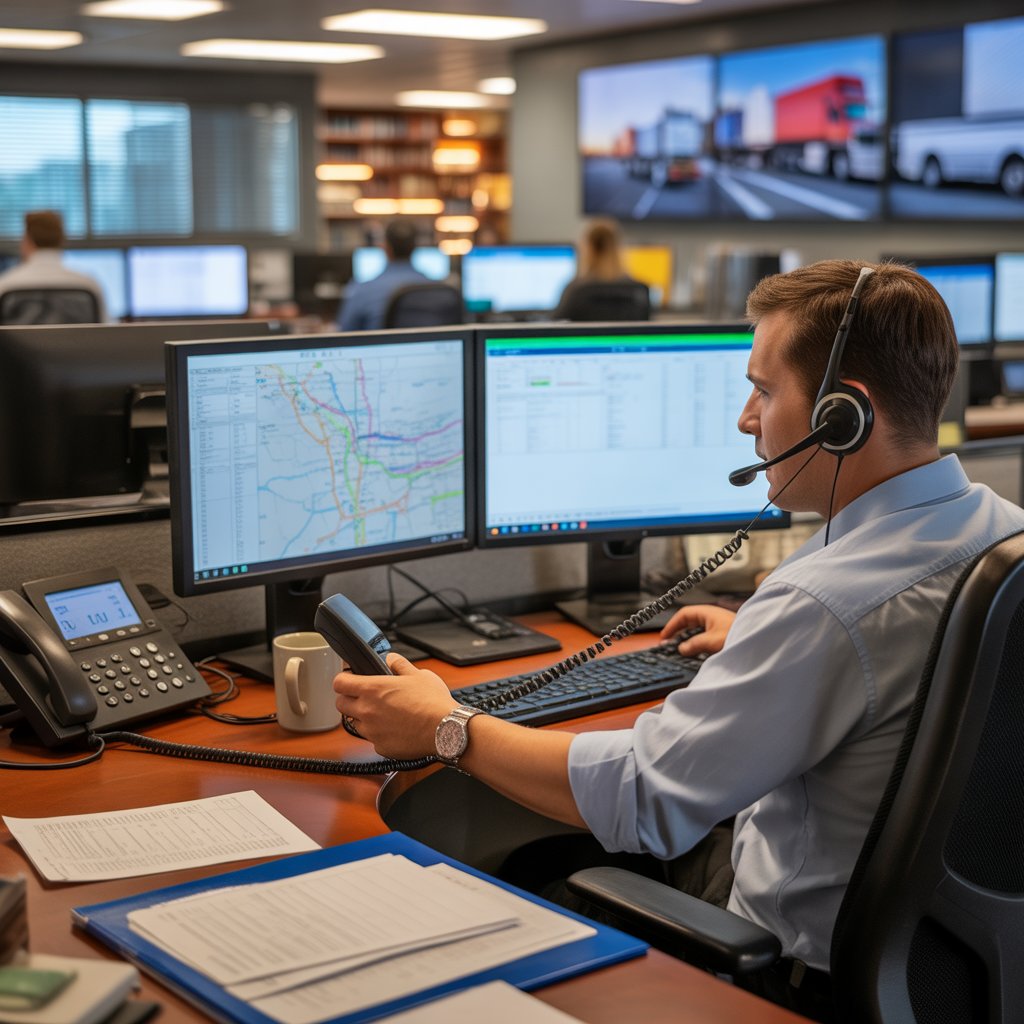
A dispatcher handles many truck dispatcher responsibilities daily. The job includes finding loads, planning routes, confirming paperwork, and talking with drivers. This constant trucking logistics coordination keeps trucks moving safely and legally across states.
Another major duty is freight load booking and rate negotiation. Dispatchers work with brokers, track deliveries, and solve problems fast. In modern trucking operations management, dispatchers also ensure compliance, insurance validity, and smooth communication from pickup to delivery.
A Day in the Life of a Truck Dispatcher
A typical day starts early with finding loads for trucks. Dispatchers check lanes, study rates, and begin booking freight on load boards. Communication begins immediately. Drivers need instructions. Brokers need confirmations. Timing matters every minute.
As the day moves on, the focus shifts to tracking loads and deliveries. Dispatchers handle detention and delays while communicating with drivers in real time. The day often ends with paperwork, planning tomorrow’s routes, and minimizing deadhead miles for better profits.
Types of Truck Dispatchers
Not every dispatcher works the same way. A fleet dispatcher works for a company and manages several trucks. An independent truck dispatcher works with owner-operators remotely. Some focus on dispatching owner-operators only. Others support dispatching small trucking companies.
Many beginners prefer dispatching from home. This model allows dispatching trucks remotely while serving U.S. carriers nationwide. Your choice depends on income goals, workload tolerance, and whether you want a job or a trucking dispatch business.
Dispatcher vs Freight Broker
The dispatcher vs freight broker debate confuses many beginners. A dispatcher represents the carrier and books loads on their behalf. A broker represents the shipper and sells freight. This difference matters legally and financially.
Dispatchers work under dispatching compliance rules and do not need broker authority. Brokers must follow stricter FMCSA laws. Understanding the difference between a broker and a dispatcher protects you from illegal dispatching without a license and costly penalties.
Skills, Education & Traits of a Successful Dispatcher
A successful dispatcher blends communication, patience, and analysis. Load negotiation in trucking requires confidence and calm thinking. Knowing lanes, rates, and timing helps dispatch freight efficiently in volatile markets.
Formal education is not mandatory. Practical skills matter more. Understanding FMCSA regulations for dispatchers, basic geography, and paperwork builds trust. Strong dispatchers also excel at building relationships with brokers and drivers alike.
How to Become a Truck Dispatcher in 2026 (Step-by-Step)
Learning how to become a truck dispatcher starts with understanding freight flow. Beginners should practice booking freight, studying lanes, and understanding dispatching with HOS compliance. Real-world exposure builds faster confidence than theory alone.
Most successful dispatchers start small. They learn dispatching for owner operators first. Over time, they scale by managing multiple trucks efficiently and growing carrier dispatch services through referrals and performance.
Step-by-Step Growth Insight
Many dispatchers begin by dispatching during peak freight seasons. They study market trends, work evenings, and improve negotiation skills. This gradual approach reduces mistakes and builds long-term stability.
How to Start Your Own Truck Dispatching Business
A trucking dispatch startup begins with structure. You need a legal entity, contracts, and systems. A clear dispatcher carrier agreement defines roles, payment terms, and compliance expectations.
Setting up a dispatching business also requires pricing clarity. Most U.S. dispatchers charge per truck or percentage-based fees. As you grow, systems help in scaling dispatch operations without losing service quality.
Dispatching Tools, Software & Technology
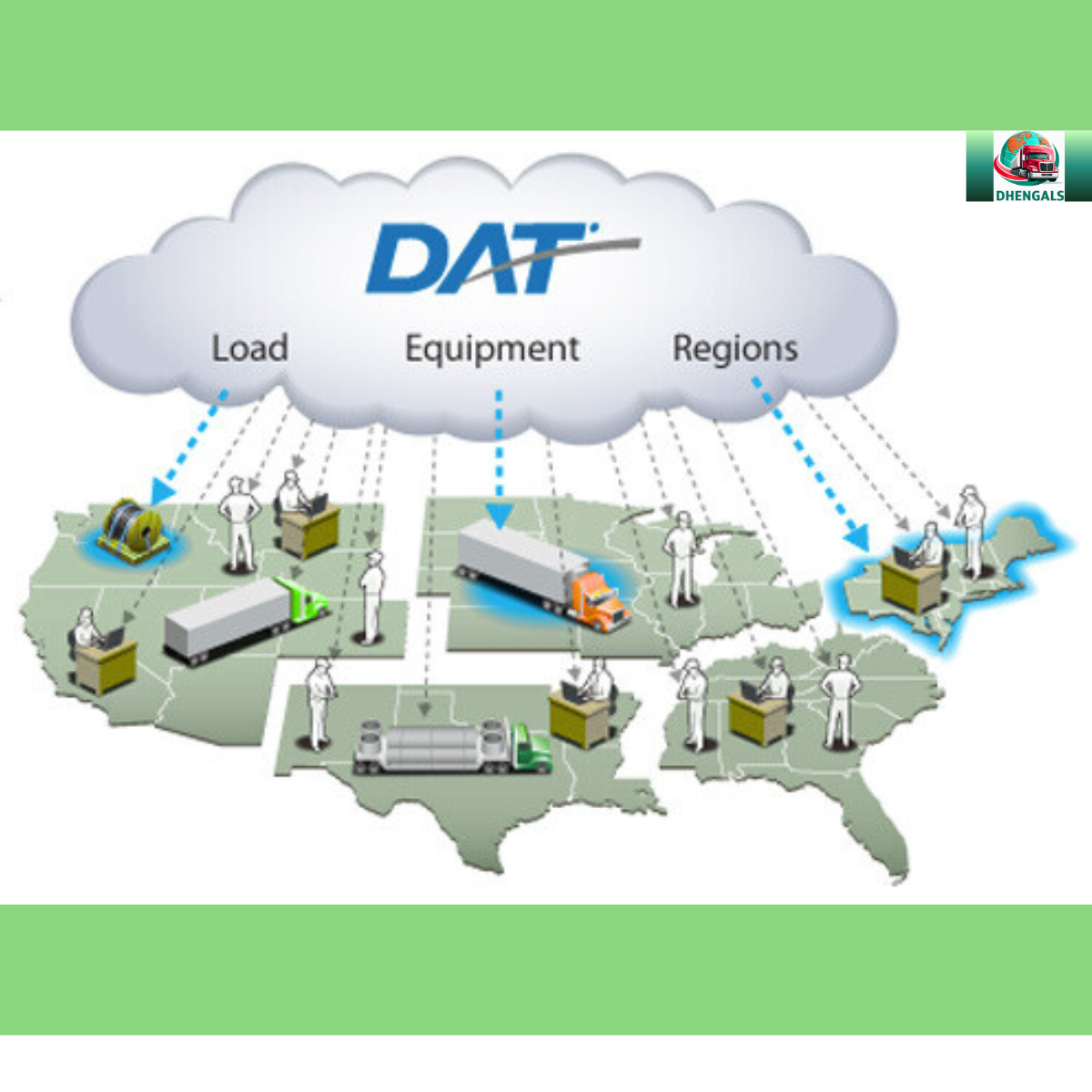
Technology drives modern dispatching. Load boards like DAT and Truckstop are essential for using them effectively. Dispatchers also use GPS tracking and TMS systems to manage operations.
| Tools Type | Purpose |
| Load Board | Finding and booking freight |
| TMS Software | Managing paperwork and schedules |
| GPS Tracking | Tracking loads and deliveries |
| Communication Apps | Coordinating drivers and deliveries |
How Much Money Can a Truck Dispatcher Make?
Income varies by model. A truck dispatcher job at a company offers stable pay. Independent dispatchers earn more but handle risk. Many earn a monthly income per truck by dispatching across states.
The table below shows estimated U.S. earnings.
| Dispatcher Type | Estimated Monthly Range |
| Independent Dispatcher | $1,000–$2,000 per truck |
| Company Dispatcher | $3,500–$5,000 |
| Fleet Dispatcher | $6,000–$10,000 |
Legal Requirements & Compliance
Dispatching legally in the United States requires understanding FMCSA rules. Dispatchers must avoid acting like brokers. Ensuring carrier compliance and insurance is part of ethical practice.
Good dispatchers carefully manage paperwork and rate confirmations. They know the dispatching compliance rules and protect carriers from violations. Legal awareness builds long-term trust and sustainability.
Challenges in Truck Dispatching & Best Solutions
The biggest challenge is rate volatility. Negotiating rates with brokers during slow seasons tests patience. Smart dispatchers focus on lanes, timing, and relationships to stay profitable.
Another challenge is handling detention and delays. Clear communication and proactive planning reduce stress. Dispatchers who stay calm under pressure retain drivers and grow a truck dispatching career faster.
Pro Tips to Become a High-Earning Dispatcher
High earners focus on dispatching freight efficiently. They study data, avoid emotional decisions, and grow slowly. Growing a truck dispatch business requires discipline, not shortcuts.
Top dispatchers also invest time consistently in working with freight brokers. Strong relationships lead to better lanes, faster payments, and long-term stability.
Conclusion – Is Truck Dispatching Worth It in 2026?
Truck dispatching remains a strong opportunity in the U.S. market. It offers flexibility, scalability, and real demand. For focused learners, it becomes more than a job. If you value problem-solving and communication, this path fits you. With patience and ethics, truck dispatching can become a reliable income and a respected profession in American logistics.
FAQs (Frequently Asked Questions)
How to become a truck dispatcher in the USA?
You can become a truck dispatcher by learning dispatch basics, understanding load boards, and working with owner-operators while following FMCSA rules. No license is required if you dispatch legally.
How to start dispatch work in the USA?
Start by learning freight flow, practicing load booking, and offering dispatch services to small carriers or owner-operators remotely.
What is the best way to learn truck dispatching?
The best way is hands-on practice using load boards like DAT and Truckstop, combined with real market exposure and mentorship.
How much do truck dispatchers make in the USA?
Company dispatchers earn around $3,500–$5,000 monthly, while independent dispatchers can earn $1,000–$2,000 per truck per month.
Is it hard to be a truck dispatcher?
It can be challenging at first due to pressure and problem-solving, but it becomes manageable and rewarding with experience.
hpdfrwdrvyoflgdoqnwpehfumekist