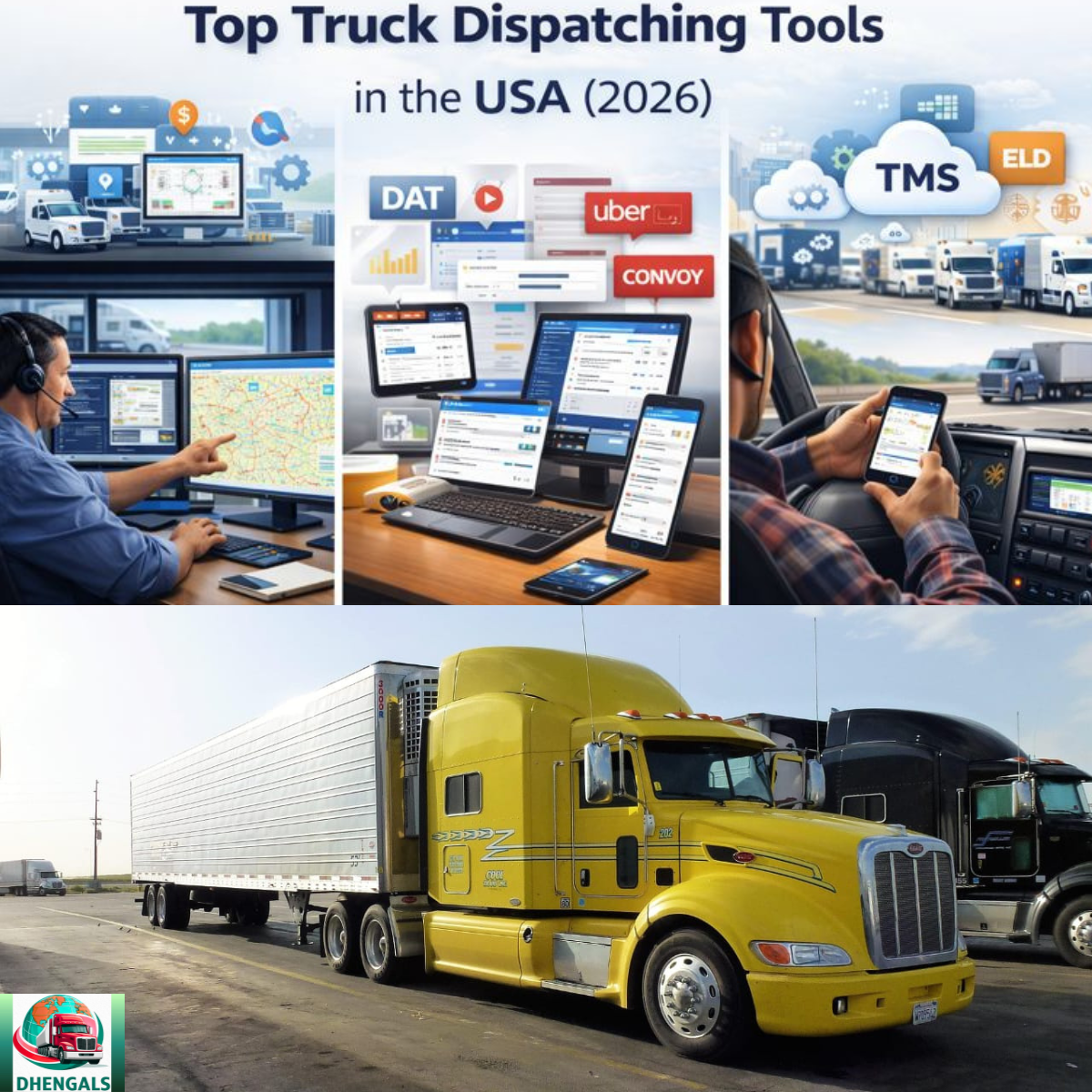
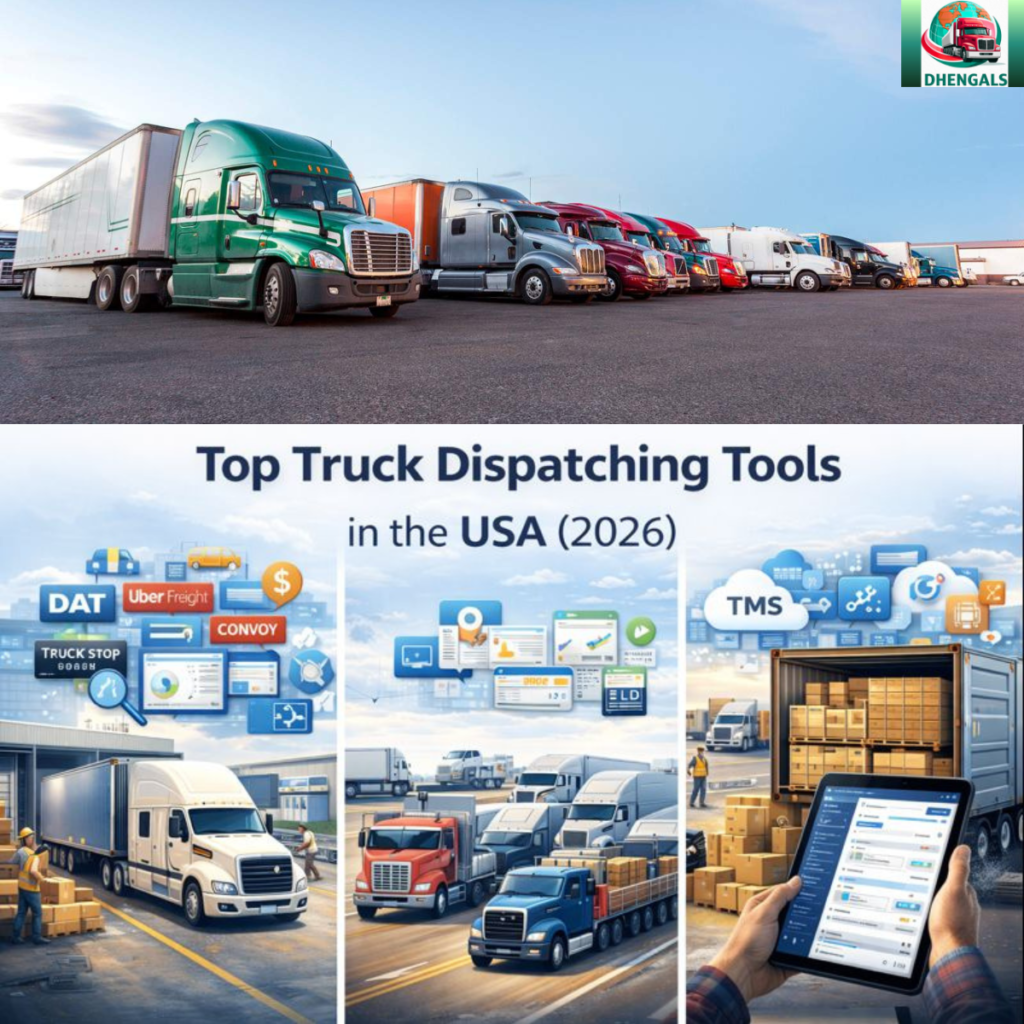
In the fast-paced world of American trucking, your technological edge is everything. The right truck dispatching tools are no longer optional; they are the critical force multipliers for profitability and efficiency in 2026. This definitive guide cuts through the hype to analyze the essential software, from advanced load board platforms and integrated Transportation Management Software (TMS) to predictive analytics engines.
This study provides the strategic blueprint to assemble a tech stack that automates grunt work, supercharges rate negotiation, and delivers a commanding market advantage. Stop working harder with outdated methods. Start working smarter with the tools that will define the future of dispatch.
The Modern Dispatcher’s Digital Toolbox
The landscape of dispatch services technology has evolved far beyond simple load boards. Today, your toolbox is an integrated ecosystem. At its core lies a robust Transportation Management Software (TMS) that acts as the central brain of your operation. This platform connects to specialized digital freight marketplaces and load board platforms to source freight. It then uses automation to streamline booking, tracking, and payment. The goal is a seamless flow of data. This reduces manual entry, prevents errors, and allows you to manage more trucks or secure better loads with less effort.
Understanding this interconnected system is crucial. A modern truck dispatcher’s software stack isn’t a single program. It’s a strategic combination of tools for specific jobs. You need tools to find truck loads, manage operations, communicate with drivers, and analyze your business health. The right mix creates efficiency. The wrong mix creates chaos and wasted subscription fees. In 2026, the winners are those who leverage integration and data, not just raw hustle.
Comparison Table: Top Truck Dispatching Tools in the USA
Tool / Software Name |
Best For |
Key Strengths |
Integration Focus |
|
Real-Time GPS Tracking Tools |
Tracking & visibility |
Live tracking, ETA updates, zone alerts | Works with most dispatch & TMS systems |
| Load Boards & Freight Matching Tools | Finding freight | Quick load discovery, flexible search filters | Integrates with dispatch planning tools |
| Communication & Collaboration Tools | Dispatch ↔ Drivers | SMS, chat, document sharing | Mobile driver app connectivity |
| Route Optimization & Planning Tools | Efficient routing | Reduced miles, fuel saving | Works with ELD and GPS tools |
| Electronic Logging Devices (ELD) Tools | Hours-of-Service compliance | Automated HOS records, driver availability tracking | Syncs with dispatch & compliance modules |
| Telematics & Vehicle Diagnostics Tools | Fleet health & telematics | Engine data, fuel usage, predictive maintenance | Works with BI & analytics dashboards |
| Billing & Invoicing Tools |
Financial operations |
Auto-invoices, QuickBooks integration, billing workflows | Syncs with accounting and dispatch |
1. Advanced Load Boards & Digital Freight Marketplaces
These platforms are your primary gateway to available freight. However, the key is not just access, but intelligent access and speed.
The Established Giants: DAT&Truckstop.com
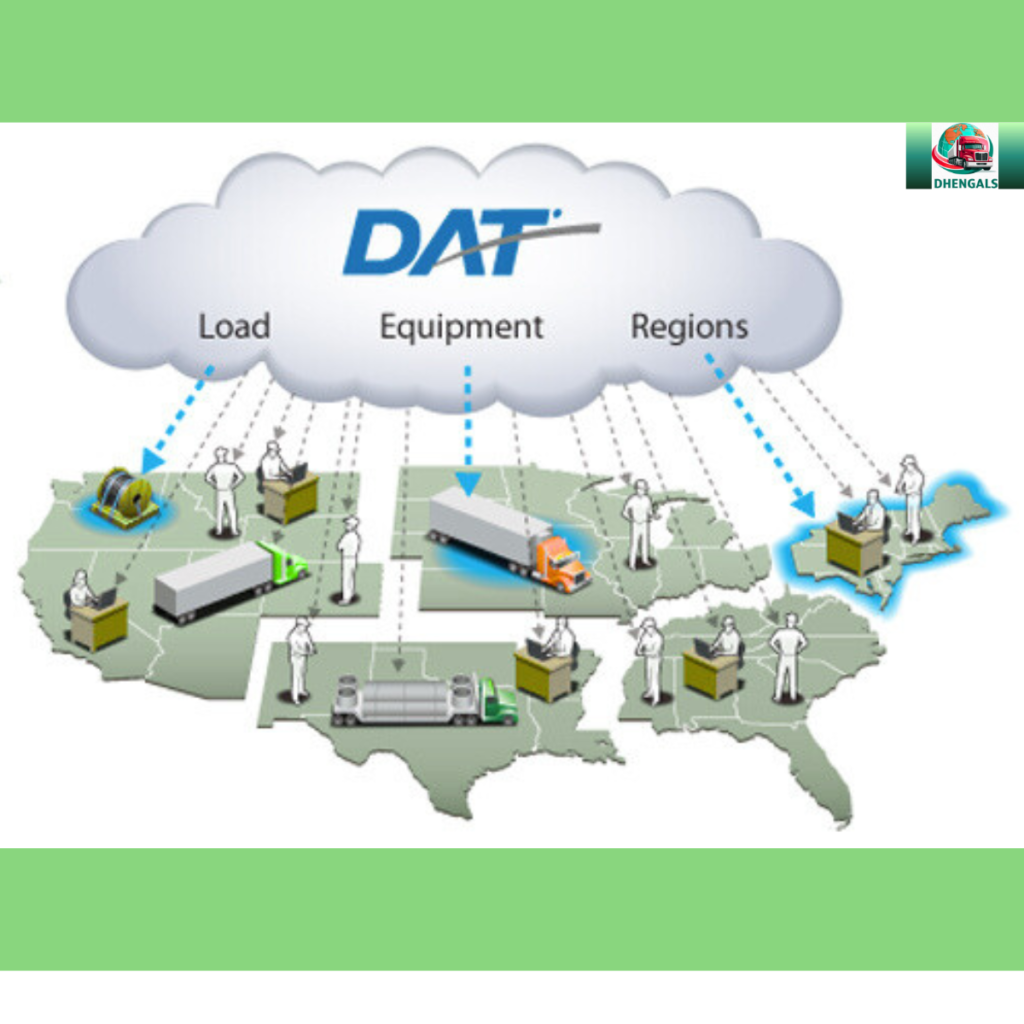
The DAT Load Board remains the undisputed king of volume in the USA. Its sheer number of listings is unmatched. Its power lies in its deep dataset and rate negotiation tools like Rate View, which provides real-time market averages to strengthen your bargaining position. Truckstop.com continues to be a powerhouse, especially for broker-posted freight and its reliable payment guarantee programs. For dispatchers, these platforms are non-negotiable subscriptions. The question is how you use them. Top performers use API integrations to pull these loads directly into their TMS, bypassing manual copying and saving precious minutes on every search.
The App-Based Challengers: Uber Freight, Convoy, & Emerging Platforms
The Uber Freight and Convoy app ecosystems represent a different model: digital brokerages. They offer instant, app-based booking with often fixed rates. Their value in 2026 is as a supplemental tool for quick fills in strong lanes or for covering last-minute gaps. They excel in user experience and reducing phone time. However, rates can be less negotiable. The trend to watch is the rise of niche-specific digital marketplaces focusing on flatbed, refrigerated, or specialized freight, offering curated loads that match specific equipment needs.
 2. The Command Center: Transportation Management Software (TMS)
This is the operational backbone. A great TMS does more than track loads; it optimizes your entire business.
All-in-One Operations Platforms
Modern trucking dispatch software, like Ascend TMS, TruckLogics, or Rose Rocket, consolidates everything. You can post trucks, book loads from integrated boards, manage driver ELD (Electronic Logging Device) data, track vehicles in real-time, create invoices, and run profit/loss reports—all in one place. The 2026 advantage is in workflow automation. For example, the system can automatically send rate confirmations and pickup instructions to a driver upon booking. It can flag potential Hours of Service (HOS) violations before they happen. Choosing a TMS with robust mobile access for drivers is no longer a luxury; it’s a requirement for real-time communication.
Specialized Tools for Specific Tasks
Beyond all-in-one systems, savvy dispatchers use specialized tools. FreightWaves SONAR is critical for freight market analysis, providing predictive data on lane rates and capacity trends. Tools like Fleetio excel at maintenance management, preventing costly breakdowns. Zoom and Slack have become essential for dispatcher-driver communication, moving beyond unreliable phone calls and texts. The strategy is to connect these specialized tools to your core TMS via API, creating a custom, high-power tech stack tailored to your exact needs.
3. The Intelligence Layer: Analytics & Rate Management Tools
In 2026, guessing on rates is a recipe for lost profit. Your gut is no match for clean data.
Predictive Rate & Lane Analysis
Tools like DAT RateView, Truckstop.com, Rate Analyzer, and FreightWaves SONAR form the intelligence layer. They answer the critical question: “Am I getting a good rate?” But they’ve evolved. They now offer predictive analytics that forecast where rates on specific lanes (like Chicago to Atlanta) are likely to move over the next 7-14 days, based on economic data, weather, and historical patterns. This allows for strategic dispatching. You can position trucks in markets before rates spike or avoid areas heading into a downturn. This proactive use of data is what maximizes revenue per mile.
Business Health Dashboards
Your TMS should provide key performance indicator (KPI) dashboards. You need to see, at a glance, your average revenue per mile, deadhead percentage, on-time pickup/delivery rate, and top-paying brokers. The best tools offer benchmarking, comparing your private data (anonymously) against industry averages. This tells you if your deadhead miles reduction efforts are working or if your freight sourcing strategies are above or below par. This data-driven feedback loop is essential for continuous improvement and proving your value to carrier clients.
Your Tech Stack: A Step-by-Step Integration Plan
Owning tools is not enough. You must connect them into a coherent system. Here is your action plan.
Step 1: Audit Your Current Workflow & Pain Points
Before buying anything, map your current process. Where do you waste the most time? Is it searching for loads, communicating updates, or doing paperwork? Your biggest pain point should guide your first major investment. A dispatcher drowning in load board searches needs better TMS integration. One struggling with driver communication needs a robust mobile driver app.
Step 2: Choose Your Foundational TMS
Select your central TMS software based on your fleet size and budget. Key questions: Does it integrate with your preferred load board platforms (DAT, Truckstop)? Does it have a driver mobile app? Can it scale as you grow? Start with a solid foundation. Many offer free trials—use them.
Step 3: Connect Your Load Sources via API
This is the efficiency multiplier. Work with your TMS provider to connect it to your DAT Load Board and Truckstop.com accounts via API. This means loads appear directly in your TMS interface. You can filter, book, and dispatch without switching browser tabs. This single step can save hours per week.
Step 4: Layer on Intelligence and Specialized Apps
Once your core is running, add your intelligence tools (SONAR for market data) and any specialized apps (like a dedicated factoring company portal). Ensure they can connect to your TMS or, at a minimum, that data can be easily shared. The goal is a single source of truth for all operational data.
Step 5: Train, Refine, and Automate
A tool is only as good as the user. Dedicate time to learn all features. Then, identify repetitive tasks (e.g., sending post-delivery documents) and use your TMS’s automation features to handle them. Continually refine your stack by asking what else can be automated or streamlined.
The Future-Proof Dispatcher
Technology never stops. To stay ahead, keep these evolving trends on your radar.
Artificial Intelligence (AI) for Load Matching & Predictions
AI is moving from buzzword to practical tool. Emerging platforms use AI to not only show you loads, but to predict which ones you are most likely to book successfully based on your history, and even suggest optimal bid prices. This moves freight matching software from a reactive search tool to a proactive business partner.
Blockchain for Transparency and Payment
While still emerging, blockchain technology holds promise for instant, secure freight payment upon delivery confirmation (smart contracts) and immutable tracking of shipment conditions—a huge value for sensitive refrigerated or high-value cargo.
Enhanced Real-Time Visibility Integration
The future is total visibility. Expect deeper integration between TMS, ELD tracking, and even warehouse management systems. This will provide real-time data not only on where the truck is, but also on dock door availability at the shipper, and the exact loading status, allowing for dynamic re-routing and communication.
Your technological edge is a choice. Therefore, the top truck dispatching tools are about creating a cohesive, intelligent, and automated workflow. By strategically selecting and integrating the platforms outlined in this guide, you transform your role from an administrative hustler into a data-driven logistics commander. Start by auditing your current process, invest in a solid foundation, and build outward. The tools are here. Your competitive advantage is waiting to be unlocked.
Conclusion
Finally, your journey to mastering the dispatch tech stack starts with a single, strategic decision. The truck dispatching tools outlined here are your blueprint for transforming daily hustle into scalable, data-driven success. By integrating a robust Transportation Management Software (TMS) with intelligent freight matching software and predictive analytics, you build an unshakeable foundation. This system automates routine tasks, empowers sharp rate negotiation, and provides the visibility needed to command higher profits. The competitive edge no longer belongs to the biggest fleet, but to the smartest operator. Forge your advantage now—the future of freight is in your command center.
FAQs (Frequently Asked Questions)
What is the most important tool for a truck dispatcher?
The core is a robust Transportation Management Software (TMS) that integrates load boards, tracking, and documents into one system. It’s your essential command center for efficiency and profit.
Are paid load boards like DAT still worth?
Absolutely. For serious volume and reliable broker-posted freight, DAT Load Board and Truckstop.com remain indispensable industry standards that provide market data crucial for rate negotiation.
How can I use technology to reduce deadhead miles?
Use a TMS with route optimization and predictive analytics tools (like FreightWaves SONAR) to plan multi-load trips and position trucks in markets before high demand, minimizing empty backhauls.
What’s the biggest tech trend for dispatchers to watch?
The integration of Artificial Intelligence (AI) for predictive load matching and automated bidding. AI moves tools from simple search engines to proactive business partners.
How much should a small fleet budget for dispatching software?
Expect to invest $50-$300+ per truck monthly for a solid TMS and key load board subscriptions. View it not as a cost, but as a direct investment in higher revenue and reduced administrative workload.